



When Everything Changes: Finding Your Footing After Diagnosis

If you have recently heard the words "you have cancer," you are now part of a community that shares a profound common experience. Beyond the physical realities, we all face the challenge of dealing with the "inner thoughts, fears, and reactions to our diseases." This diagnosis is a life-altering event that creates a clear line in time: you now view your life in terms of pre-diagnosis and post-diagnosis.
The weight of this moment—the moment you heard the news—is something no one forgets. It can feel like the gravity of a life sentence.
The earthquake of a cancer diagnosis
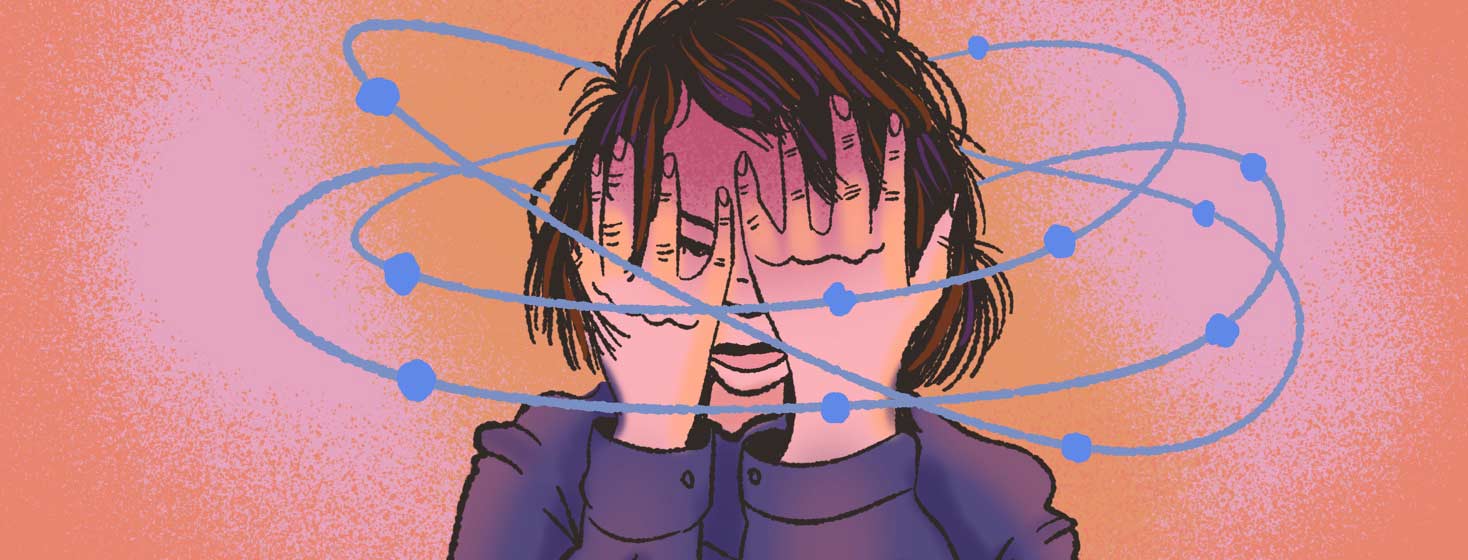
The emotional shock of a cancer diagnosis is often described as a moment of trauma, where your "entire body goes into shock." Your mind is racing, and trying to absorb complex medical information feels impossible. Due to the magnitude of the news, everything you hear in a conversation with your care team can sound like "incoherent words and lots of audible sounds."
All you truly heard was the cancer itself.
This shock is amplified by the sheer amount of technical information being thrown at you, often delivered "in medical speak." Trying to digest details about chromosomes, mutations, and treatment plans when you’re already dazed and in disbelief is incredibly challenging. If you walked away feeling overwhelmed, confused, or like you couldn't process the care plan, that is a completely normal reaction to trauma.
In the immediate aftermath, you may be left grappling with the responsibility of telling loved ones. It can be devastating relaying your new diagnosis to loved ones who viewed you as "indestructible" or are already dealing with other significant health issues of their own.

Grieving the life you planned
The cancer diagnosis doesn't just impact your physical health; it forces you to confront the loss of the life and future you envisioned. This is where the feelings of unfairness hit hardest.
Living with a serious illness often amplifies the normal process of mourning past versions of yourself. You may find yourself missing "how free I was to do whatever it was I wanted" before the cancer arrived. Those initial feelings of deep sadness and frustration are justified. The diagnosis can feel like it came, disrupted your life, and threw a wrench in the whole thing.
The grief extends to the future you thought you had secured. The feeling of missing "what could have been" is powerful—lamenting lost opportunities like expanding your family or enjoying a long life with a spouse. The painful realization is that these cherished "dreams have been taken from us now."
Taking control: Practical steps forward
While the emotional waves of shock and grief are real and necessary to process, empowering yourself with knowledge and support is the next critical step.
Trust your instincts
It is vital to be "more proactive than reactive" in your care. Listen to your body and don’t accept being treated dismissively. As many survivors will attest, you must learn to "Trust your intuition. It usually doesn’t steer you wrong." If something feels wrong or you feel like a doctor is "fluffed off" and treating you "like a hypochondriac," you have the right to advocate for yourself and seek answers.
Knowledge and support are power
After the initial shock subsides, education becomes your greatest tool. You can gain confidence by learning about your specific cancer, figuring out your treatment plan and expectations, and talking to others who have been through treatment. Armed with this knowledge, you'll be able to have a much more informed conversation with family and offer reassurance. Knowledge is power, especially when dealing with a disease that feels like it’s taking away so much.
When attending those crucial initial appointments, remember this essential piece of advice: "It’s always a good idea to have someone in the room with you when you are receiving a diagnosis like this one." That person acts as an "extra pair of ears" and can jot down things you will never remember. They can also remind you later about important warnings or details you missed due to the trauma and daze of disbelief.
Questions to empower yourself
Being proactive means asking questions. Here are some vital questions, drawn from the experiences of others, that can help you feel more informed and in control during your first appointments:
- How often will I need follow-up testing?
- What areas or symptoms should I look at the closest?
- How does the proposed treatment work?
- What are the side effects of the treatment?
- What happens if the first treatment plan doesn’t work?
- What is the best way for me to reach your office if there is an emergency?
- Is there anything I didn’t ask that I should know right now?
Finding your way through healing
The path toward healing the mind and body is often described as one of "winding pathways" because it "isn’t linear." It’s easy to feel like the disease has taken everything, but it is crucial that you "Don’t let it take away all your power."
Self-compassion is key. "Be gentle on yourself!" Honoring who you once were is still important, even though those memories may be difficult to process.
Finding healthy ways to cope with these emotions—whether they are quiet or "very loud"—is essential. Many have found relief and healing through different forms of expression and activity. Coping strategies that individuals have successfully integrated into their lives include:
- Journaling; putting these feelings on a page can be "very healing."
- Yoga and meditation.
- Movement of the body, such as hiking or biking.
- Swimming.
- Traveling.
Dealing with a diagnosis is like navigating a thick fog; you can’t see the whole path ahead, but by shining the light of knowledge on the immediate surroundings and leaning on the support of others, you can take those crucial first steps forward.
Join the conversation