

Five Little Things That Got Me Through My Treatment

In a way, I was more disappointed that I had to treat my cancer than finding out that I had cancer.
In a two-week period, I was diagnosed with squamous carcinoma on my tongue and an HPV lesion in my rectum. But the biopsy of the tongue had removed almost all the carcinoma, and the lesion was stage zero cancer, meaning it had not invaded any of the tissue around it.
For a moment, my oncologist thought that there was no need for chemo or radiation. We had removed a lymph node in my neck and learned that no cancer cells had drifted from my tongue, and the lesion in my rectum was just on this side of the borderline to be called non-invasive.
When I left the office that day, I was elated. It had been discovered early. There would only be follow-up appointments and bright days ahead.
The emotional shift when my new reality sets in
One month later, I returned for my first follow-up. Immediately, my doctor asked if I had made my decision. I was confused. What decision?
“Are you going to schedule therapy now, or wait to see if it returns and treat it then?”
The room tilted slightly. I hadn’t just misunderstood a previous conversation. I had glossed over the part about waiting until it returned to treat it. Too busy congratulating myself, I hadn’t paid attention to the details being discussed.

In the end, I opted for the chemo and the radiation. I remember deciding that choosing cancer treatment early was a good thing. But I was woefully unprepared for how difficult the medical process would be.
I don’t spend too much time reflecting on the pain of the treatment, but when I look back, I see things that gave me the strength to make it through those trials.
Learning to let go of the need for control
The decisions I made and how I reacted to what was happening to me were the only things that were truly mine. The medical options given to me came from my doctor, and he had no control over how things would turn out. It was all just a bunch of possibilities.
I had to learn not to get lost in a sea of ‘what ifs’ and survival percentages. And I had to accept that, despite nobody being 100% sure of anything, everyone was acting in my best interests.
What helped me process the uncertainty was allowing my true feelings to come out, even when I reacted poorly to the situation I found myself in. Being honest about my emotions gave me what I needed to fight my way through the hurt and anger.
Why keeping your eyes on the future matters
Over the years we have been together, I’ve learned that my husband is the planner, and I’m the one who likes to show up and be surprised. That wasn’t working for me in this situation, so I made a list of things I wanted to do once my oncology treatments were over.
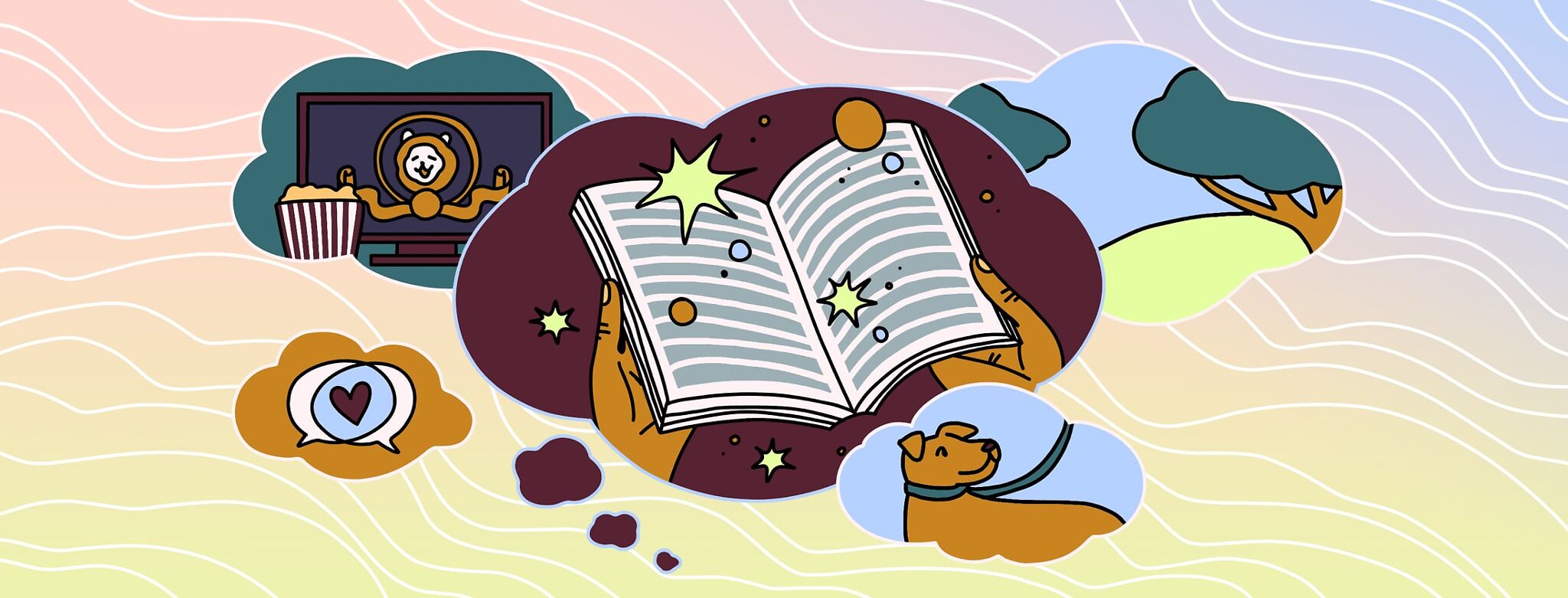
Some were simple, like walking the dogs in the park or reading a book. Others looked to the future, places I’ve always wanted to visit or skills I’d like to learn. When I had strength, I would add to my little list or watch video clips on my phone to keep me inspired. I don’t know if I kept my promise to do everything that I wanted, but having some things to look forward to lessened the pain and discomfort and reminded me why I had decided on treating my cancer early.
Understanding that resting is not a waste of time
There were many days when all I could do was lie down. I love being productive and have many routines and rituals that keep me moving forward. But the toll that the radiation took on my red blood cells left me sapped. And the pain of the swollen, irradiated tissue left me with no joy. So, most days I would sleep or lie around, staring at book pages or TV screens.
At first, I felt as though I was doing something wrong, but after a while, I realized that rest was exactly what I needed. Even after the treatments were finished, it took a long time to find the energy to go for my daily walk. I stopped fighting my need to be on the go all the time. I told myself that right now, the most important thing to do was rest.
Finding comfort in the familiar during recovery
During that time, I rewatched many of my favorite shows and movies and even read a couple of books I love. It was comforting to immerse myself in stories I knew well. If I fell asleep during a show or accidentally skipped a chapter, I already knew what was going on and could continue without worry.
This was another thing I could control: the creative narrative around me. Yes, there were times when a good "tear-jerker" served its purpose, but mostly I enjoyed watching movies about discovery and optimism.
The difference between giving in and giving up
I never gave up, but I did give in when I couldn’t bear the pain anymore. Slowly, over the weeks, my spirit felt as though it was being sapped. But I never stopped believing that this would all be for the good.
When it became too much, I just let myself fall asleep. Sometimes medication-induced, other times from sheer exhaustion. When I couldn’t do anything else, I didn’t try.
It’s difficult looking back at my cancer treatment. There’s a lot of emotion, pain, and shame. There are complete days I have no recollection of. But I’m not troubled by that because I’m here right now, and that was the whole point of choosing treatment in the first place.
Join the conversation