
Three Things I Should Have Done After My Diagnosis

My most recent cancer journey began with a tiny white spot on my tongue, a grapefruit-sized tumor in my husband's abdomen, and COVID-19.
The pandemic happened right before Scott's colonoscopy. He was in his early 50s, and his doctors had no concerns about delaying the procedure. Soon after, a sharp pain in his torso led to treatment for a UTI, then for a bladder infection with more potent antibiotics. But nothing helped.
Once he was able to schedule an MRI, a tumor was discovered in his colon, pressing against his bladder and abdominal wall. It was stage 4 cancer. He endured two surgeries, 6 months of chemo, and 5 weeks of radiation. When it was done, and his numbers were in line, we celebrated with a cruise to Alaska. That’s when I noticed the small white spot on my tongue was changing shape.
Ignoring the early signs of a new health crisis
I don’t know how long it had been there, despite checking my mouth almost daily. It’s a habit that started in the mid-nineties when my T-cells plummeted after being exposed to HIV, and I developed hairy leukoplakia on the sides of my tongue. This small white spot was in that same location, but I brushed it off as nothing.
My HIV viral load was undetectable, and my T-cell count was high, so how could it be something connected to my immune system? I convinced myself that it was just my own anxiety driving my concern. I put it out of my mind and concentrated on setting up an early second colonoscopy for myself. I had undergone one five years before, but my doctor felt I was justified in wanting to take another look, especially after everything Scott had been through.
Receiving unexpected news during a routine screening
Waking up from the procedure, I remember trying to concentrate on what the doctor was telling me. There was a small polyp, easily removed, but I would have to have another colonoscopy in three years. It was good news, but he wasn’t finished.
He had also found something they couldn’t remove because its location might lead to bleeding; it would require removal by a rectal cancer surgeon.
“Cancer?” was the only word I could muster.
A sample had been taken and sent to the lab while I recovered. It tested positive. I was now one of every two people facing a cancer diagnosis.
The reality of being immunocompromised and facing cancer
The following weeks were a blur. A successful surgery revealed that the lesion was almost brand new in its life cycle. A visit to an oncologist followed, who told me treatment might not be necessary, since it was on the borderline of being considered non-invasive.
He asked if I had any other concerns, and I showed him the white spot on my tongue. It had tripled in size over a couple of months. He was very casual when he said, “You’ll want to get that removed and looked at. And we might need to rethink the need for treatment.”
I thought living as an immunocompromised person had prepared me to tackle a challenge like this. But endlessly successful treatments over the years had given me a false sense of invulnerability. I knew that spot needed attention, but I avoided showing it to my specialist, my PCP, and even my dentist during my routine teeth cleaning. The truth is, I was ashamed.
Lessons learned from my cancer diagnosis journey
You can’t cry about the past, but you can learn from it. Looking back on my journey towards the decision to diagnose, there are some things I now know I could have done better had I not been gripped with fear.
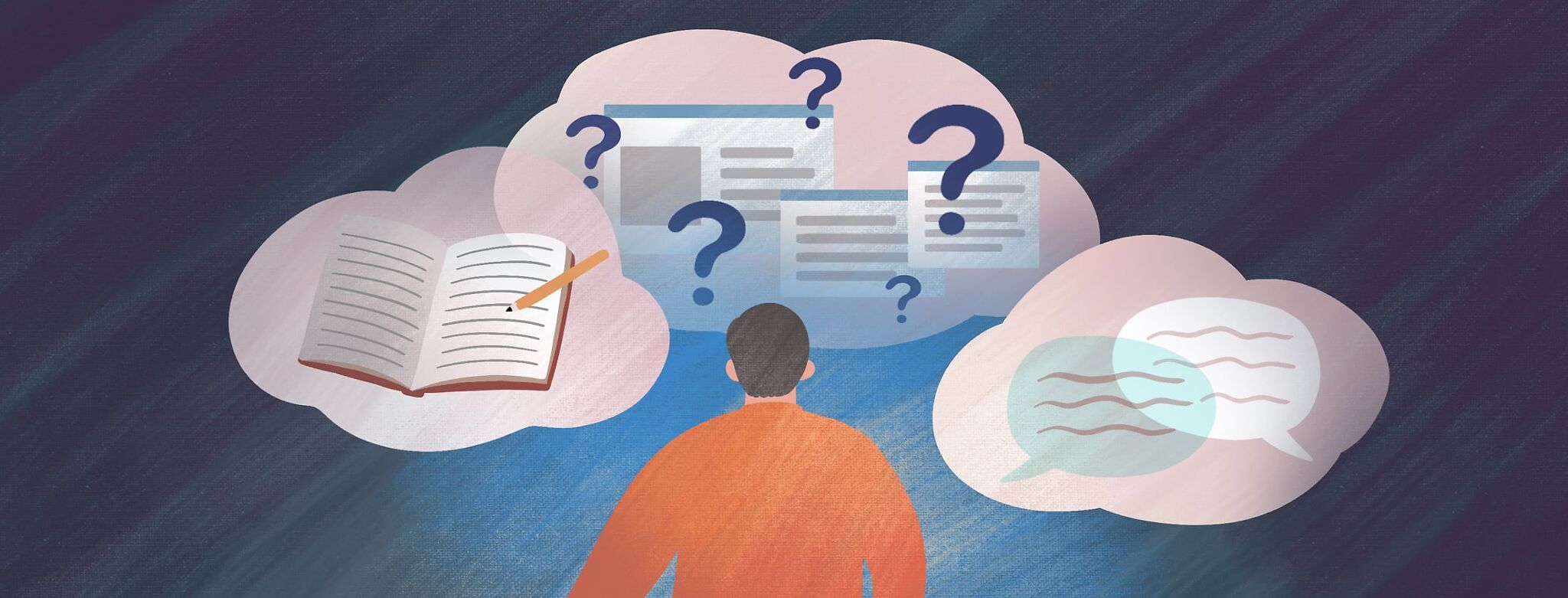
- Ask Questions and Take Thorough Notes: I never asked exactly what type of cancer I had. I only knew enough to spend time reading about tongue and rectal lesions, but I didn’t learn about my specific lesions. I also made some decisions about treatment without fully considering the consequences as an already immunocompromised person. All I wanted to do was to get through it and be done with it. Now I know I should have walked in with my list of questions and written down answers, just like I do with my HIV doctor.
- Don’t Self-Diagnose: My need to know was out of control. I found myself asking: Would I die? How long does this last? How fast can it spread? I was asking questions, just not to the professionals who were supporting me. In the dead of night and early morning, I would gather what courage I had and search the internet for answers. In the end, that’s a primary reason I didn’t ask my doctors more. I thought I already knew as much as I could handle. Now I know I should have used my curiosity to understand what was happening to me specifically.
- Seek Out Others for Support: I isolated myself. I didn’t tell anyone about my cancer. I acted like I was okay, but everyone could see I had a burden. Most thought my burden was Scott's health, but I was too ashamed to share with them about mine. I joined a couple of online groups and spent most of my time lurking and reading the "worst of the worst" health journeys. Now I know I should have found someone who understood what I was going through to talk to, instead of simply comparing my journey to theirs.
The road I took to my diagnosis was a bumpy one, and it didn’t get better for a while. Recovery was not smooth sailing. But after years of feeling invulnerable, I was reminded that we have to be mindful caretakers of the vessel we occupy and not fear the answers we need.
Join the conversation