



"Cancer Was Expensive. Survivorship Was Too"

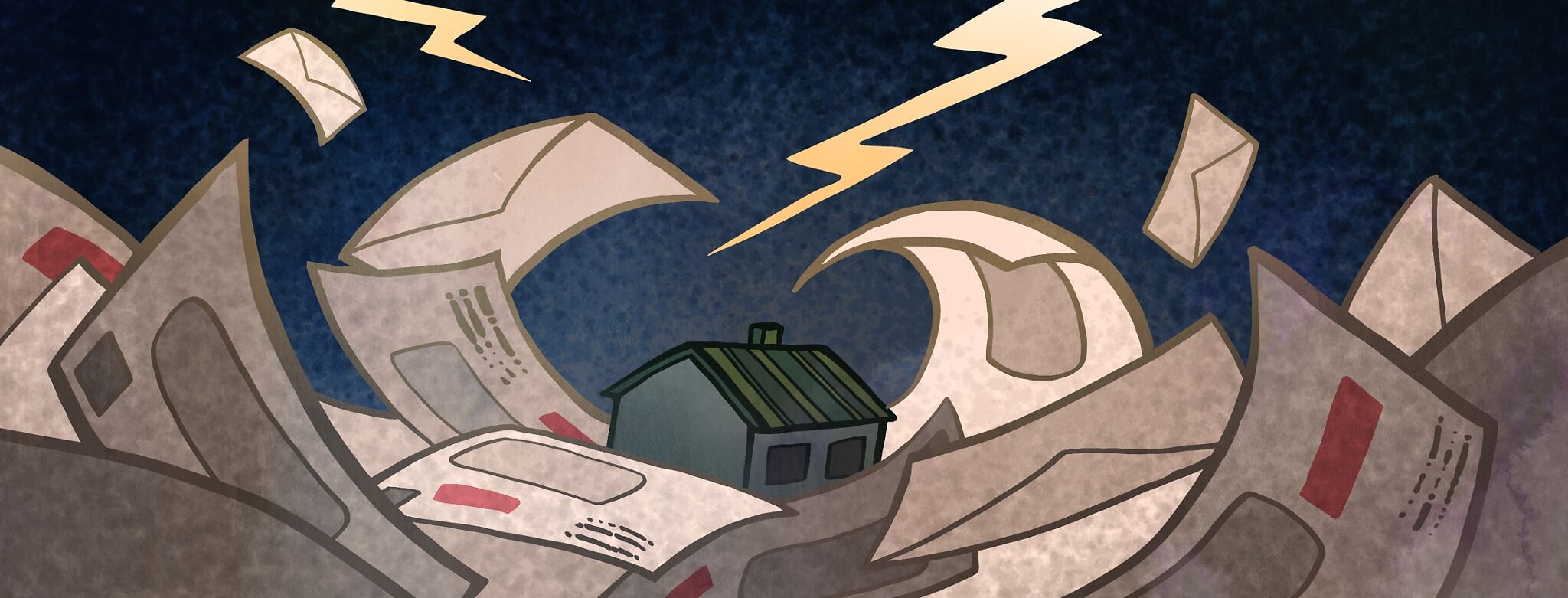
The first one arrived in the mail on Monday, March 14, 2011, and they haven't stopped since. I'm referring to my first medical bill received after waking up from surgery and being told I had Stage 3B colorectal cancer. What made it particularly frightening was seeing the total charges listed alongside my deductible responsibility. The numbers were staggering: thousands and thousands of dollars.
By June 2011, the total cost of my care had already exceeded $350,000, and I had only just begun chemotherapy. I quickly grew to dread mail days because I knew another bill was likely waiting for me. The reminders seemed endless. At each infusion appointment, I would check in at the front desk and hear the same question: "What would you like to pay toward your balance today?" I often wondered: What if I can't pay today? Would I be turned away? Would I have to stop treatment and go home? Those fears stayed locked inside my head. I was afraid to speak them aloud or burden my family with concerns I wasn't sure anyone could solve.
Losing my job while fighting for my life
The bills continued to arrive, even after my position at the municipality where I had worked for 14 years was eliminated. It wasn't because of my performance. In fact, I had chosen to continue working part-time during treatment to demonstrate my commitment to my job despite everything I was facing. Still, budget cuts eliminated my position. The disappointment was overwhelming. In an instant, I found myself worrying about how I would afford COBRA coverage, which was simply too expensive without a new job on the horizon. Yet health insurance had become my lifeline. Without it, I feared losing access to the care that was helping me survive.

Working every job I could find to keep treatment going
Many nights, I lay awake wondering what I was going to do. Fortunately, both the survivor and the military veteran in me refused to give up. I looked for every opportunity to generate income and maintain hope. Along the way, I worked as a flight attendant, substitute teacher, and forklift salesperson, among several other roles. My goal was simple: keep moving forward, keep my spirits up, and keep my treatments going.
Health insurance as a lifeline through recurring diagnoses
Eventually, I secured another position that provided health insurance. The coverage wasn't as comprehensive as what I had before, but I was grateful. It was something, and at that moment, something was far better than nothing. Today, after multiple cancer diagnoses, I remain deeply grateful for health insurance. It allows me to maintain an uninterrupted surveillance plan, access treatments when needed, and participate in clinical research that may benefit both me and future generations.
The receipts that tell the real cost of cancer
But cancer costs more than what appears on a medical bill. I keep a clear baggie filled with receipts. To most people, it's just paper. To me, it's a reminder that cancer's financial impact extends far beyond chemotherapy, surgery, and doctor's appointments. Every receipt tells a story: gas for a trip to treatment, parking at the hospital, meals between appointments, lost wages from time away from work, and travel expenses for specialized care.
Financial toxicity: the hidden side effect of cancer
Together, those receipts tell the story of financial toxicity—the side effect of cancer that doesn't show up on a scan, yet affects millions of patients and families every day. For me, ongoing surveillance for Lynch syndrome means there will always be more receipts. The nature of this inherited condition requires regular screenings, follow-up appointments, and continued vigilance. While those appointments can sometimes feel exhausting, they also represent something important: another opportunity to stay healthy, informed, and proactive.
No one wants to worry about finances while fighting for their life. Yet many patients face difficult choices between their health and their financial security. That is why it's so important that we continue talking about the financial toxicity of cancer, seeking support when needed, and advocating for resources that help patients access the care they deserve.
Choosing hope over hardship
Today, I have no evidence of disease. After recently completing a clinical trial vaccine study for Lynch Syndrome, one that I hope will contribute to meaningful advances for future patients, I find myself looking at those baggies of receipts a little differently. They no longer represent only hardship. They represent perseverance. They represent access to care. They represent every appointment kept, every treatment completed, every obstacle overcome, and every day I chose to keep moving forward.
I know there will be more receipts in my future. But as long as there are receipts, there is also life, hope, and opportunity. And that's a trade I'll gladly accept. Because while cancer may have changed my life, it never took away my determination to survive.
Join the conversation